

Diversity Hub: You took on the leadership of the Women’s Network very early in your journey at BBH. What made you decide to step forward?
Justyna Żmija: I joined the Women’s Network almost in my very first month at the firm. It was the middle of the pandemic, we were all working fully remotely, and the network itself was just a small group of people. But even that small group made a difference – it gave me a sense that, even though I was starting a new role from a standing desk in my kitchen, I was still starting among people.
Shortly afterwards, the Network found itself without an active lead, and activity naturally faded. A few months later, I was on holiday, sitting by the ocean and, somewhat unexpectedly, thinking about work. What I realised was that I genuinely missed the Women’s Network. Beyond professional satisfaction, I missed the unique space it created for connection, support and shared experience.
I’ve sent email to six people, I simply wrote that the Network had become quiet and, without renewed energy, risked losing momentum. I also shared that it would be a shame to lose a space where inspiring people could meet, exchange perspectives, support one another and build relationships beyond their day-to-day teams.
That email, drafted on a beach and sent shortly after I returned home, became the beginning of everything. I sent it with a slightly trembling hand and a lot of self-doubt, wondering what someone relatively new could really offer.
What happened next gave me the answer. There was no formal selection process – only a shared desire to rebuild the community and a level of trust offered by people I barely knew.
Looking back, stepping into leadership wasn’t about feeling ready. It was about recognising a need and deciding to act before overthinking it.
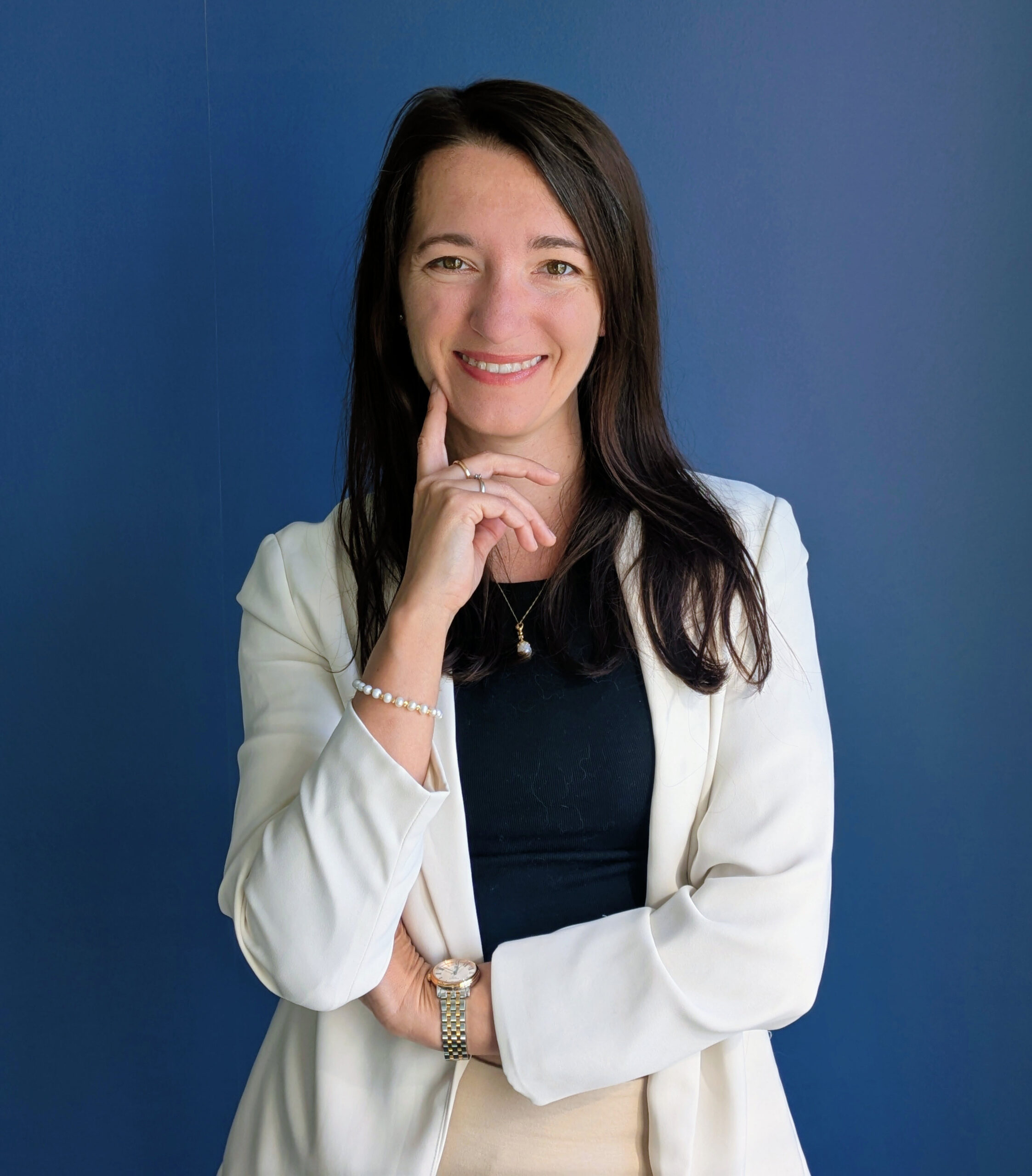
Justyna Żmija
Diversity Hub: When you began rebuilding the Network, where did you start?
Julita Petrus: The Kraków chapter had already existed for some time. Earlier structures and traditions gave us a valuable foundation, but rather than assuming what people needed, we decided to ask.
Through conversations, feedback and open dialogue, we listened carefully to our colleagues and used those insights to shape a clear vision for the Network. We also made a conscious effort to ensure that our initiatives complemented, rather than duplicated, the work of other teams such as Talent Acquisition or Talent & Development.
Ultimately, rebuilding the Network was less about creating something entirely new and more about returning to something fundamental: listening, responding and creating a space that genuinely reflects the needs of the people it serves.

Julita Petrus
Diversity Hub: What unique value do employee-led networks bring to an organisation?
Katarzyna Urbanska: When a community grows from the ground up, it reflects real needs rather than assumptions. It becomes a place where people can find others who share similar experiences, ambitions and values, while also encouraging one another to succeed.
Because participation is entirely voluntary, the Network feels authentic. People join because they want to, not because they have to. That transforms it from another corporate initiative into a trusted community.
We’ve seen that translate directly into engagement. Almost one-third of our members have actively contributed to organising activities, not because it was expected, but because they felt ownership and were given the freedom to turn ideas into reality.
Our Art of Engagement event is a great example. What started as a single idea quickly grew into something much larger, driven entirely by the enthusiasm of employees and supported by the firm. It brought people together in a way that felt genuine, energising and lasting.
The real impact begins with what employee-led initiatives add: authenticity, trust, and a genuine sense of shared ownership.

Katarzyna Urbanska
Diversity Hub: How did you build trust and encourage people to engage with the Network?
Katarzyna Urbanska: Building credibility was never about convincing people to join. From the very beginning, we believed that people participate when they see genuine value for themselves.
The strongest driver of growth turned out to be word of mouth. Members shared their positive experiences with colleagues and invited others into a community that felt meaningful to them.
We also made a conscious decision not to create barriers to participation. While membership has always been voluntary, many of our events are open to anyone who is curious. People can experience the Network first and decide for themselves whether it resonates.
Ultimately, credibility wasn’t built overnight. It was earned through consistency, openness and creating a community that people genuinely wanted to return to.
Diversity Hub: How did the pandemic and hybrid work change the way you built community?
Justyna Żmija: In many ways, the challenge mirrored what organisations everywhere were experiencing. We moved from fully in-person work to fully remote almost overnight, learning how to collaborate and build relationships through screens. Then came hybrid work, which, in my experience, turned out to be the most complex stage of all.
Suddenly, it wasn’t enough to simply stay connected. We had to make sure people felt equally included, whether they were sitting in the office or joining from home. Small details suddenly mattered – the flow of discussion, background noise in meeting rooms, or whether someone joining remotely truly felt part of the conversation.
For the Network, that meant redesigning how we organised events. We constantly asked ourselves: how do we create experiences that invite everyone in, regardless of where they are?
What we learned is that every “new normal” requires patience. Building community is an ongoing process of observing, adapting and learning through honest conversations.
Diversity Hub: What helps people develop a genuine sense of belonging within the Network?
Julita Petrus: We believe belonging cannot be designed in isolation – it has to be built together with the people you want to include. That’s why we regularly ask our members what belonging means to them and what helps them feel connected.
What we’ve learned is that belonging grows through small, consistent actions rather than big moments. Showing up. Following through on commitments. Having a plan, or, when there isn’t one, inviting people to create it together.
Katarzyna Urbanska: Trust is equally important. There is no pressure if someone needs to step back for a while, but when people choose to contribute, their ideas are genuinely heard. We explore them together rather than dismissing them. That creates a feeling of being valued, which naturally encourages people to stay involved.
Justyna Żmija: Perhaps most importantly, we try to look after one another beyond organised events. A quick check-in, offering support or simply asking how someone is doing often has a bigger impact than any formal programme.
Over time, those everyday interactions create something much more meaningful than a calendar of events. They create a community where people feel safe, supported and free to be themselves.
Diversity Hub: What do members value most about being part of the Women’s Network?
Julita Petrus: People join the Network for many different reasons, but they stay because they find something meaningful.
One of the greatest values members describe is perspective. Through conversations, panel discussions and shared experiences, they begin to approach familiar challenges differently. Whether it’s navigating everyday work or making career decisions, hearing other people’s stories often brings greater confidence and clarity.
The diversity of experiences within the community is another strength. Different backgrounds naturally lead to richer conversations and better ideas. Initiatives such as our Leadership Talks and mentoring circles are frequently mentioned as both inspiring and highly practical.
Ultimately, people stay because the Network’s purpose, energy and way of working align with the kind of community they want to be part of.
Diversity Hub: How has leading the Women’s Network influenced your own professional development?
Katarzyna Urbanska: Being part of, and helping to lead, a voluntary employee network has been one of the most impactful experiences in my professional growth.
It has helped me develop skills far beyond my formal role, from influencing stakeholders and organising initiatives to bringing people together around a shared purpose.
Through this journey, I’ve also seen a real shift in my confidence. Taking the lead, sharing ideas and seeing them come to life has shown me that I am capable of much more than I initially thought. That confidence has continued to grow with every challenge and success.
The work you do through the Network demonstrates your ability to take on new responsibilities, adapt quickly and build trust. It strengthens both your professional reputation and your confidence.
Diversity Hub: How do you know the Network is making a real difference?
Katarzyna Urbanska: Being part of, and helping to lead, a voluntary employee network has been one of the most impactful experiences in my professional growth.
It has helped me develop skills far beyond my formal role, from influencing stakeholders and organising initiatives to bringing people together around a shared purpose.
Through this journey, I’ve also seen a real shift in my confidence. Taking the lead, sharing ideas and seeing them come to life has shown me that I am capable of much more than I initially thought. That confidence has continued to grow with every challenge and success.
The work you do through the Network demonstrates your ability to take on new responsibilities, adapt quickly and build trust. It strengthens both your professional reputation and your confidence.
Diversity Hub: Looking back, what advice would you give to someone starting or reviving an Employee Resource Group?
Justyna Żmija: Don’t wait until you feel perfectly prepared. What matters far more is that you genuinely care about creating something meaningful. People recognise authenticity, and they naturally gravitate towards it.
Accept that moments of doubt will come. Build your community early: not only the wider network, but also a small group of people who believe in the same purpose and will help carry the momentum when your own energy inevitably dips.
Avoid creating pressure around participation. Employee networks thrive because people choose to engage. Even subtle signals that someone should attend can undermine the very sense of belonging you’re trying to create.
Finally, remember that leading a network isn’t about delivering your own vision. It’s about listening carefully, staying curious and building something with people rather than for them.
That’s when an employee network becomes a genuine community, and when its impact extends far beyond the people who first started it.