
What is it about?
Knowledge and Experience Zone
This is a space where theory meets practice, and expert knowledge combines with the everyday experience of organizations building more inclusive workplaces.
Here you will find the know-how of Diversity Hub experts as well as perspectives from practitioners, leaders, and DEI enthusiasts who implement solutions supporting diversity, equity, and inclusion in their teams and organizations on a daily basis.
We share knowledge, inspiration, case studies, and concrete solutions – from strategies and processes to organizational culture and everyday practices. We show how to translate DEI values into real actions and lasting change.
This is a place for those who want to learn from others, explore different perspectives, and develop organizations where people are truly at the center.
01. Articles
Get inspired! Latest articles from Diversity Hub
We like to share what we observe in the DEI space. Check out our recent publications.

Employee Resource Groups can be much more than a series of events. At their best, they create spaces where people connect, grow, and shape organisational culture from the ground up. We spoke with Justyna Żmija, Julita Petrus and Katarzyna Urbanska, who together lead BBH's Women's Network Krakow Chapter about rebuilding a community during the pandemic, leading without formal authority, and creating a network that continues to grow because people genuinely want to be part of it.
Does the experience of motherhood affect the way people manage others? If so, what exactly changes? Do women become less effective professionally after having a child, or do they develop new competencies that strengthen their leadership role? These questions have long appeared in discussions about the labor market and in daily organizational decision-making. Many stereotypes and concerns—often unspoken—still surround women of childbearing age. Meanwhile, a study conducted by Agata Kołodyńska in 2019 shows a much more complex picture of motherhood and its impact on women in managerial roles.
Accenture has published a report titled “The Time for Gen AI: Will the Financial Industry Seize This Opportunity?”, which thoroughly analyzes how generative artificial intelligence will impact the financial sector. At Diversity Hub, we carefully examined this data and drew conclusions that strongly affirm the purpose of our daily activities. This analysis clearly shows: technology is only half the battle. The real challenge lies in how we involve people of diverse experiences, ages, and attitudes towards the digital revolution in this change process. Below, we present our perspective on this report – from a viewpoint that prioritizes equal opportunities, security, and building bridges between technology and humanity.

Neurodiversity – which includes individuals on the autism spectrum, those with ADHD, or with specific learning needs (such as dyslexia or dyscalculia) – is not a niche issue within the field of diversity, but a fundamental aspect of the functioning of virtually every team.

Imagine your team gains access to an advanced AI tool designed to automate half of their daily tasks. What does your team do? Do they wait for a multi-page manual and official training, or do they immediately look for ways to test this tool in practice? In a world changing faster than curricula and training strategies, a traditional approach to competencies is no longer sufficient. Today, adaptability no longer provides an advantage—it has become the standard. The true currency of the future is the ability to act effectively under conditions of uncertainty.

Most companies treat age diversity as a communication challenge. We know it is primarily an operational risk. In the face of a shrinking labor market and the impending retirement tsunami, age management becomes a business survival strategy. At Diversity Hub, we move away from superficial generational chatter. Instead of perpetuating stereotypes about "Gen Z" and "Boomers," we implement systemic solutions that protect critical knowledge in the organization, unlock "entrenched" structures, and eliminate costly ageism* and adultism*. Discover how we transform generational diversity into your strongest asset across 4 organizational levels.

Many employers employ or want to employ persons with disabilities, but they are often held back by key questions: "are we ready for this?", "are we doing this right?". A conscious policy of employing persons with various types of disabilities is a holistic process encompassing many spheres of organizational functioning. It is therefore no wonder that employers experience anxiety about making mistakes or overlooking important legal and organizational aspects. Our work model was created to transform this uncertainty into a professionally planned process, giving you and your team a complete sense of security and confidence that you have taken care of everything.

Often in our work, we encounter resistance due to the belief that DEI activities only benefit selected groups. In the case of HR processes - such as recruitment, promotion, or feedback processes - striving to make them fair, inclusive, or transparent is sometimes perceived as an activity that is meant to give an advantage to certain people (e.g., women). So how do we design activities that are fair and effective, while not creating solutions that may be perceived as favoring selected people? How do you mitigate the risk of potential inequalities in your organization? Our answer is
Universal Design (UD).
What is sometimes the best step before we start changing our systems and processes in an organization? Stopping and carefully analyzing what is already working well and what can be improved.



At Fraklin Templeton, we believe that data is the foundation of our D&I strategy.
Caroline Carroll
Head of Client Experience EMEA
Franklin Templeton
D&I efforts are not a one-time endeavor. It's an ongoing practice that we must continually develop and adapt to current conditions.
Catherine Kwiatek
Global HR Business Partner
Brown Brothers Harriman Krakow
Bez względu na to czy to wydarzenie ERG, czy szkolenie, bądź obecny jako lider. Poświęć dodatkowy czas. W ten sposób okażesz wsparcie pracownikom, którzy wkładają wysiłek w pracę na rzecz D&I.
Timothy O’Brien
Head of BBH Krakow
Brown Brothers Harriman Krakow
Tak wiele osób obawia się, że powiedzą lub zrobią coś niewłaściwego, jeśli chodzi o niepełnosprawność, że w rezultacie nic nie robią lub nic nie mówią. (...) O wiele lepiej jest próbować, słuchać i uczyć się to robić dobrze.
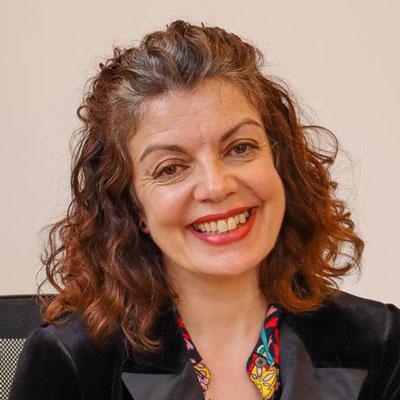
Diane Lightfoot
CEO
Business Disability Forum

Aby móc tworzyć technologie dla wszystkich, musimy zaprosić wszystkich do korzystania z niej i do jej rzeczywistego współtworzenia.
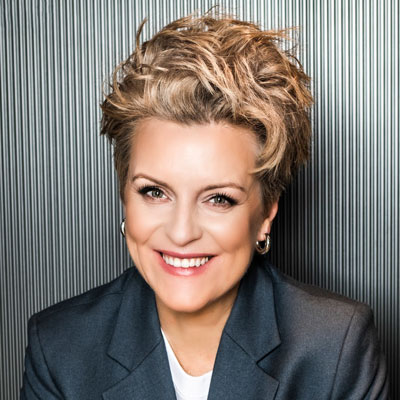
Magdalena Kotlarczyk
Country Director
Google Poland

Nie możesz zmienić tego, czego nie mierzysz.

Katarzyna Gaweł
Head of DEI / Forbes Women co-host
Ringier Axel Springer Polska
03. Latest Publication
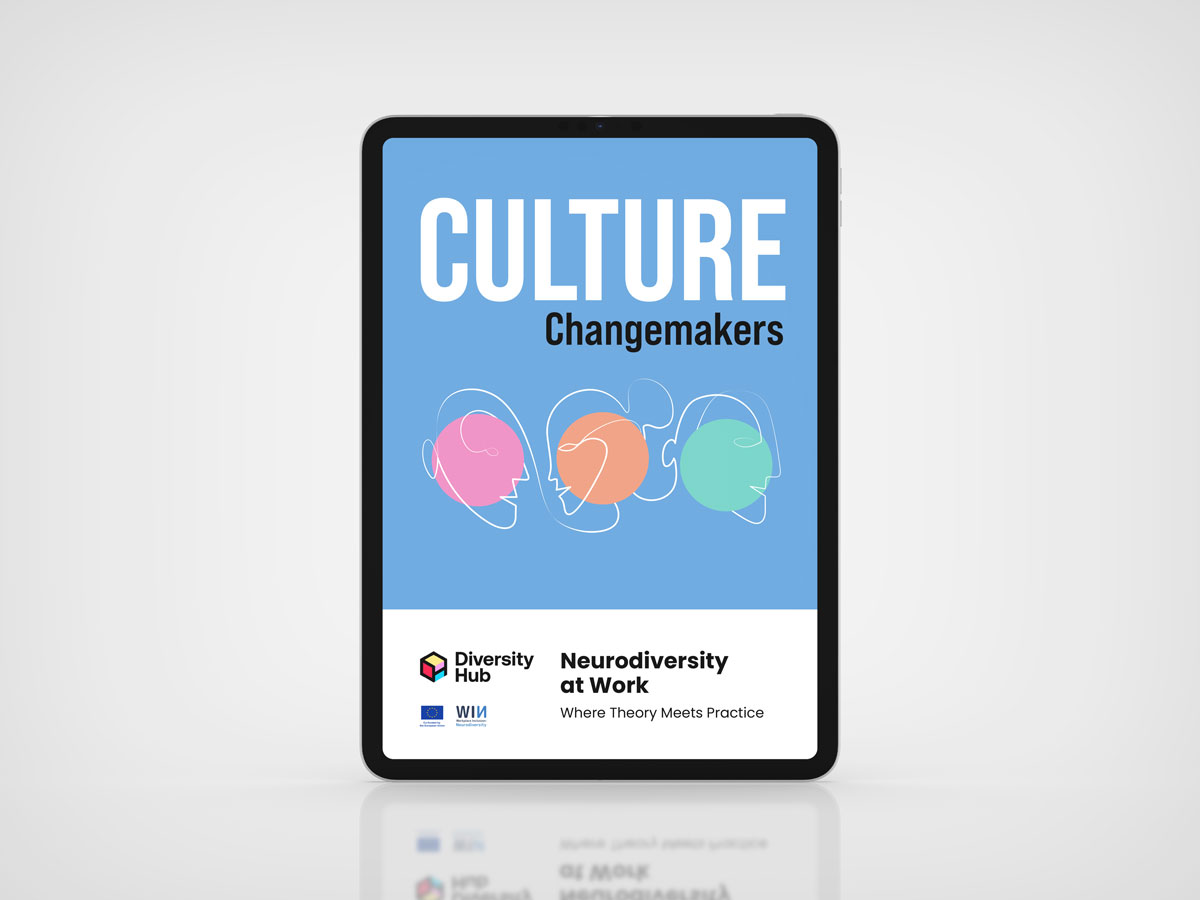
Culture Changemakers – “Neurodiversity in the Workplace”
“Neurodiversity in the Workplace” is a publication about how to design organizations that consider diverse needs, work styles, and ways of processing information from the outset—rather than reacting only when a problem arises.
You will find here the expertise of Diversity Hub specialists, voices of neuroatypical individuals, and experiences of organizations that are building more neuroinclusive work environments. From communication and leadership, through processes and team collaboration, to designing spaces and everyday employee experiences.
This is a practical guide demonstrating that transparency, predictability, and inclusive design are not “accommodations for a select few,” but the foundation of better collaboration, greater efficiency, and a more equitable work environment for everyone.
All Publications
Download our publications, reports and studies
We rely on data. We take important topics under a magnifying glass, connect the dots.
“Neurodiversity at Work” is a publication about how to design organizations that consider different needs, work styles, and ways of processing information from the outset—instead of reacting only when a problem arises.
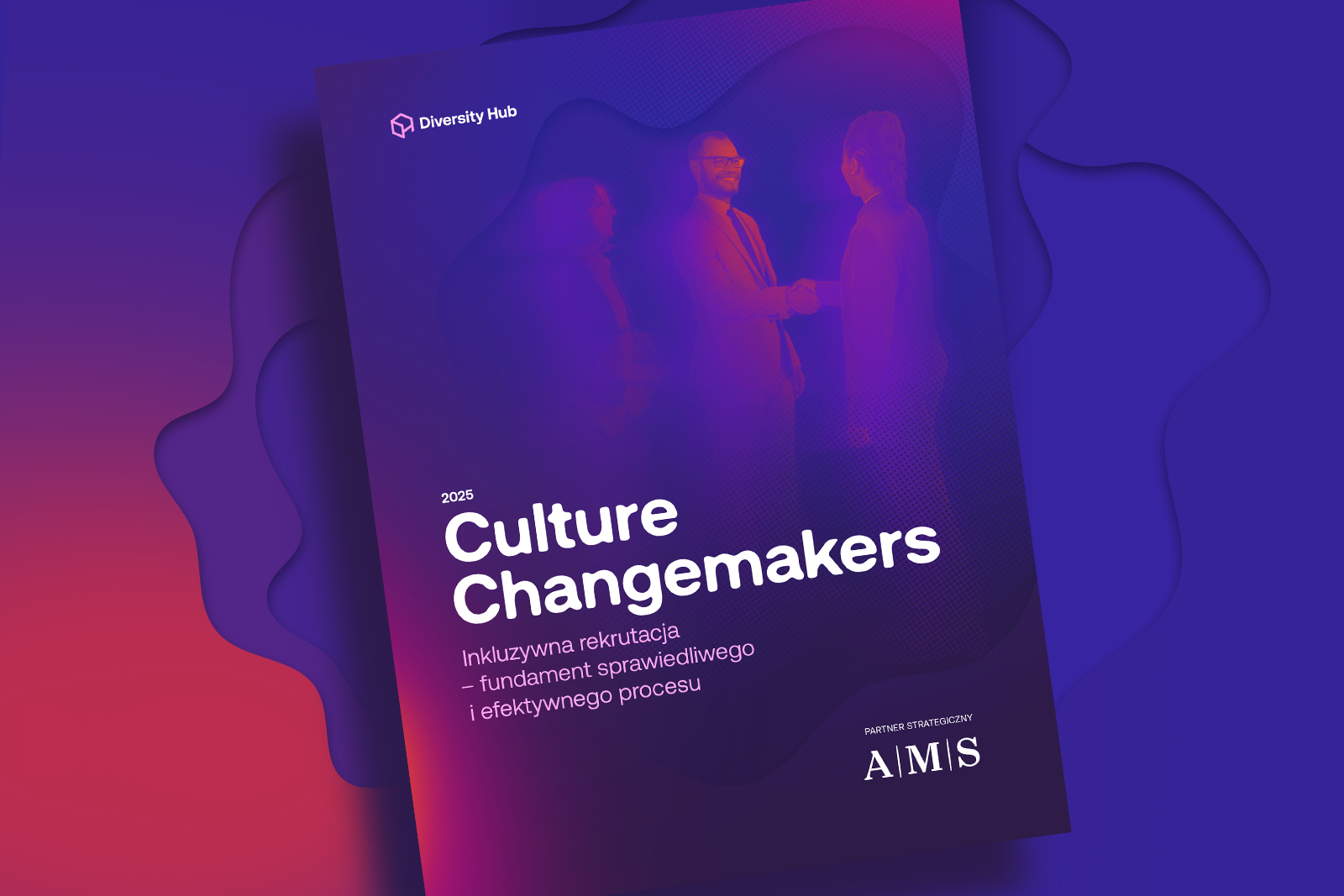
“Culture Changemakers” is a publication that shows how organizations can incorporate inclusivity into their recruitment processes – effectively, ethically and without unnecessary complications. You’ll find concrete examples of companies not just talking about change, but implementing it – from the definition of the candidate profile to the hiring decision.
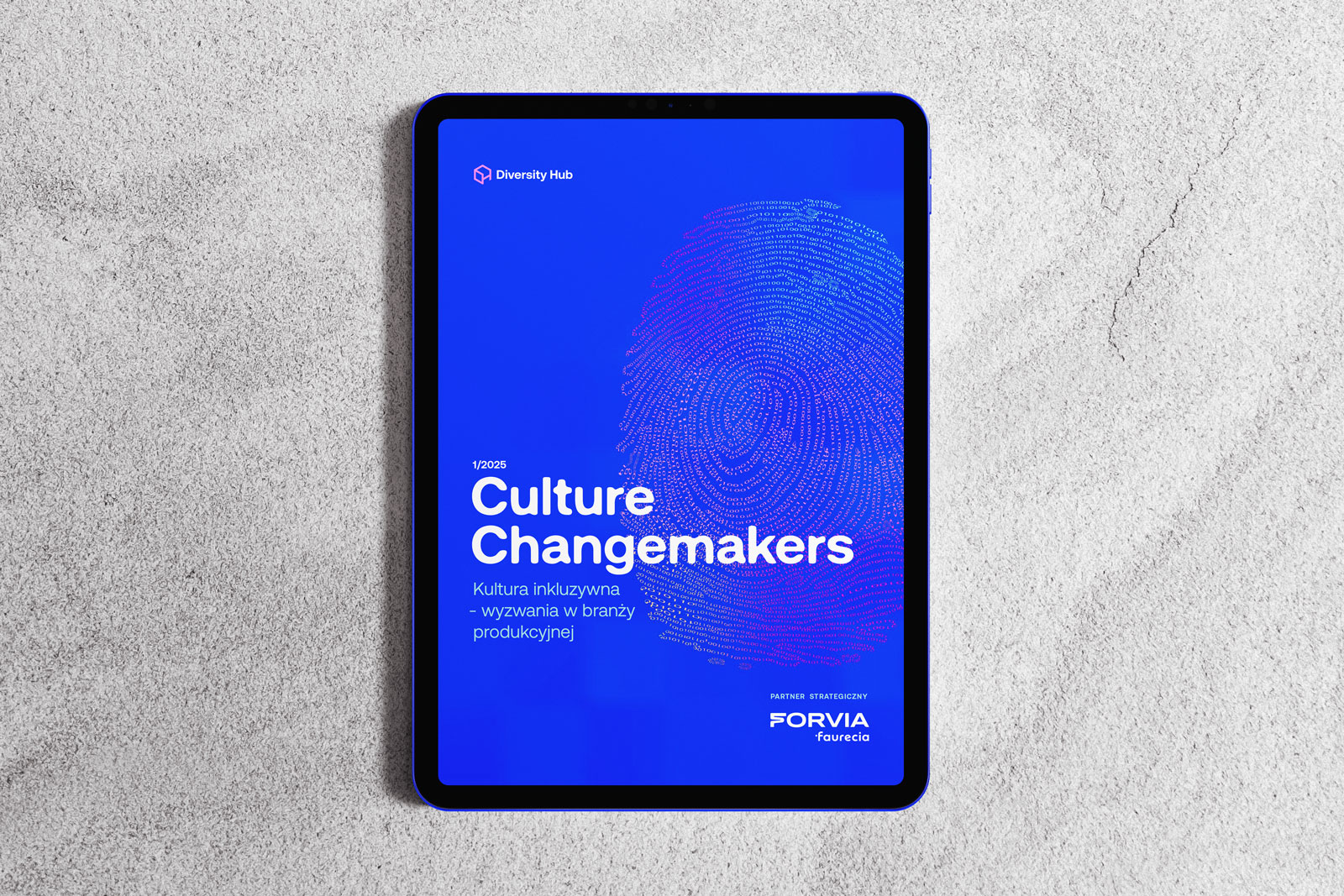
We invited leading brands and prominent voices from the manufacturing industry to contribute to this publication – a sector that stands out due to the unique nature of its work environment and the specific challenges it entails. Inside, best practices, inspiration and proven solutions.

Learn practical tips on how to design spaces and work processes in a way that is welcoming to everyone, regardless of neurological profile. The publication shows what barriers can impede the work of neuroatypical people and presents effective solutions and best practices to eliminate them.
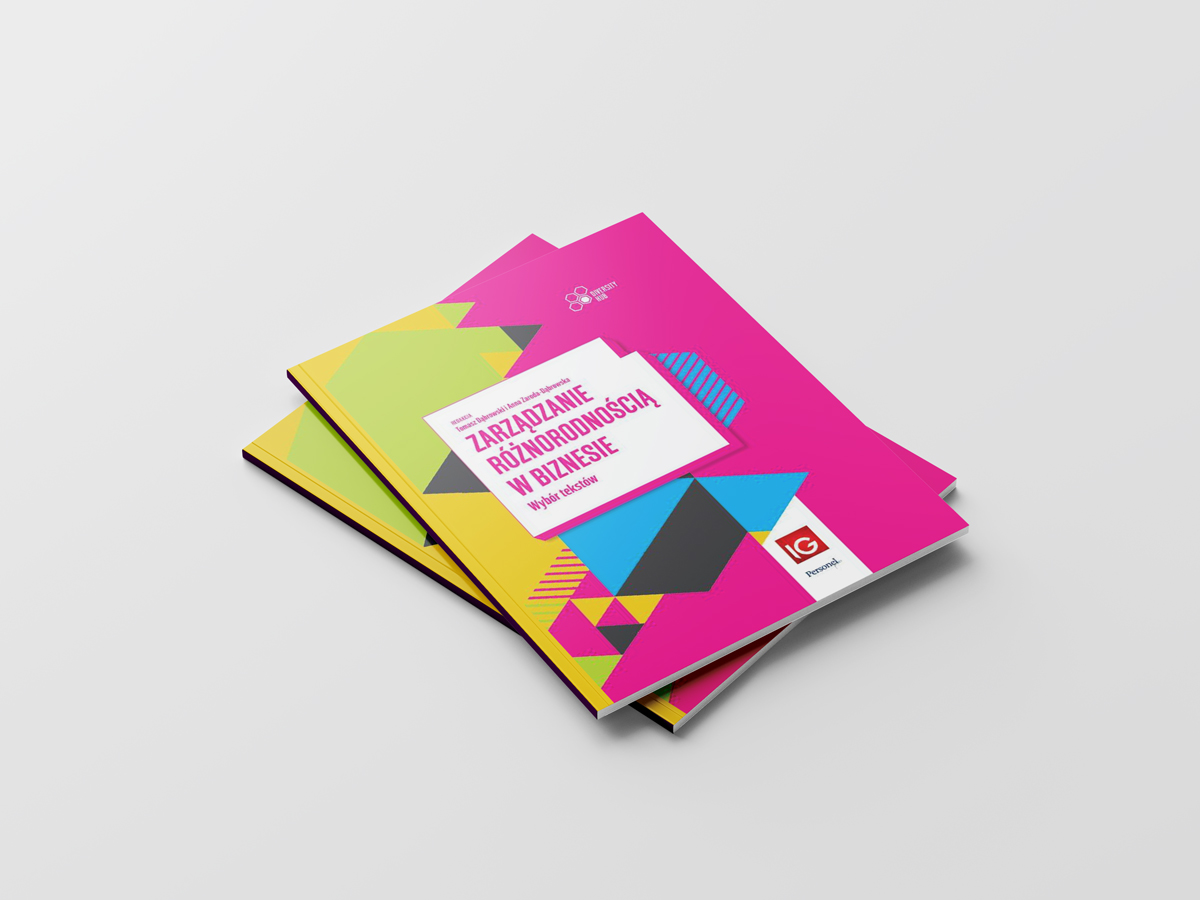
The book is a collection of articles that were published by Diversity Hub in Personnel Plus magazine. It is not a textbook, but in its concept it is a resource to inspire and show concrete solutions based on business experience.
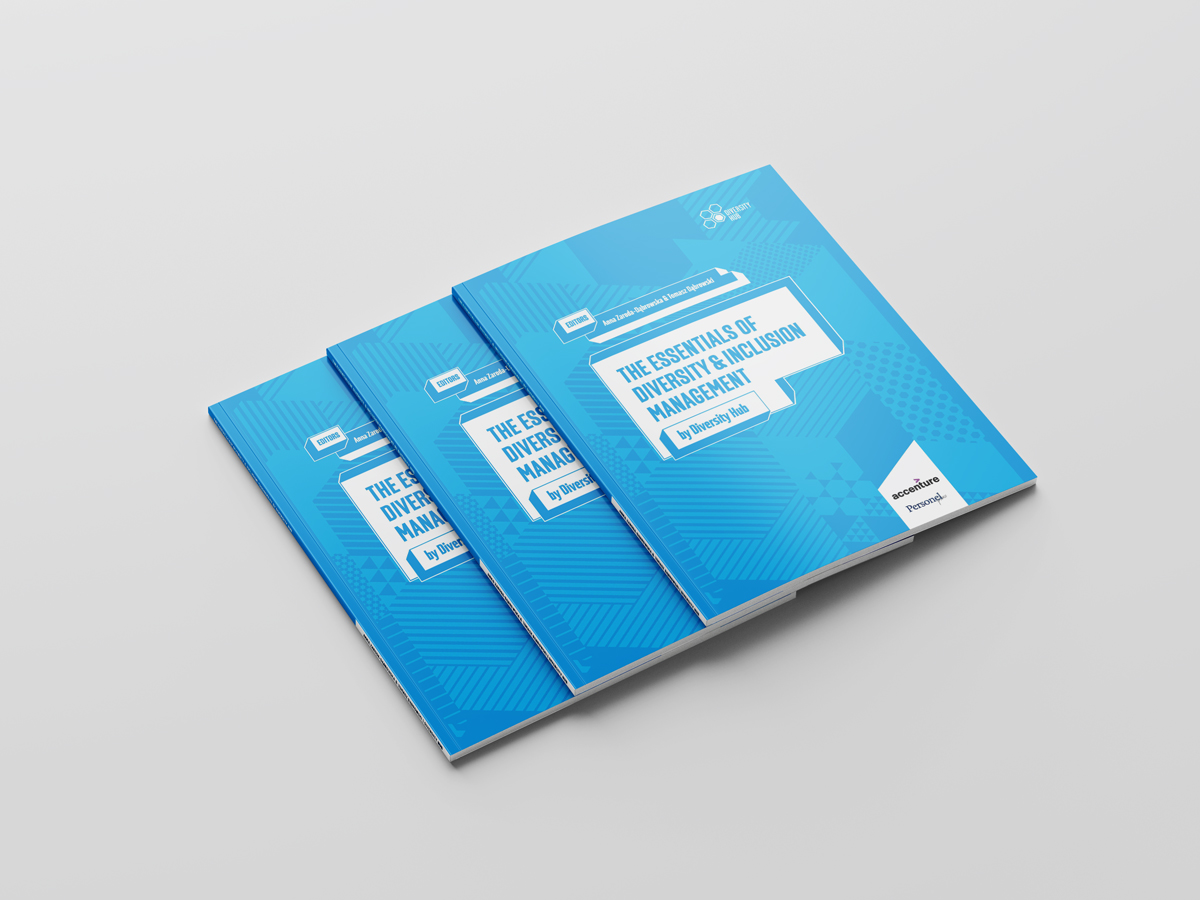
[EN] The Essentials of Diversity & Inclusion Manag…
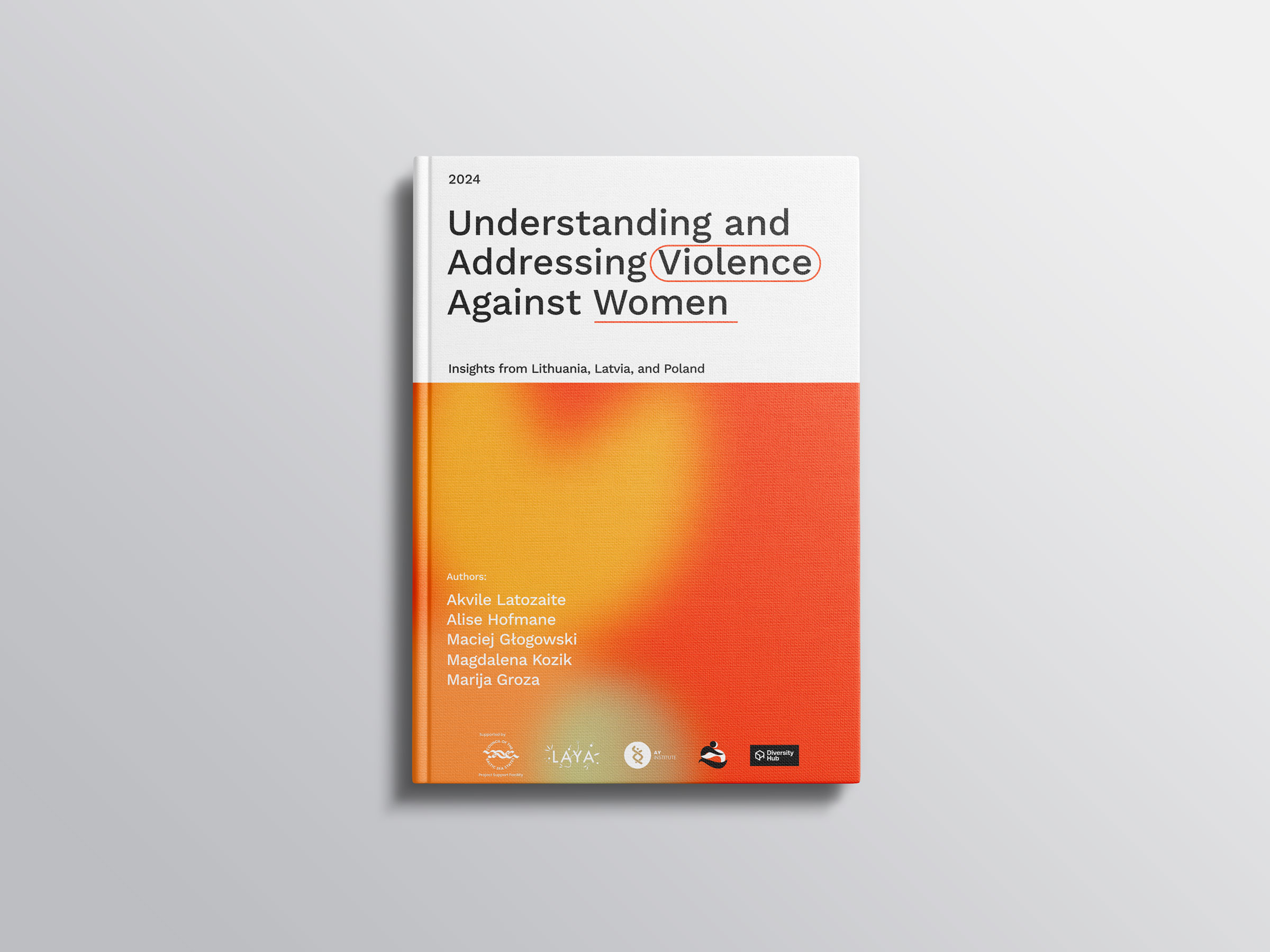
The book is a collection of articles published by Diversity Hub experts. It is not a guide – instead, we wanted it to be something that would inspire you and show you concrete solutions based on real experiences in the business world. The publication is available in English.

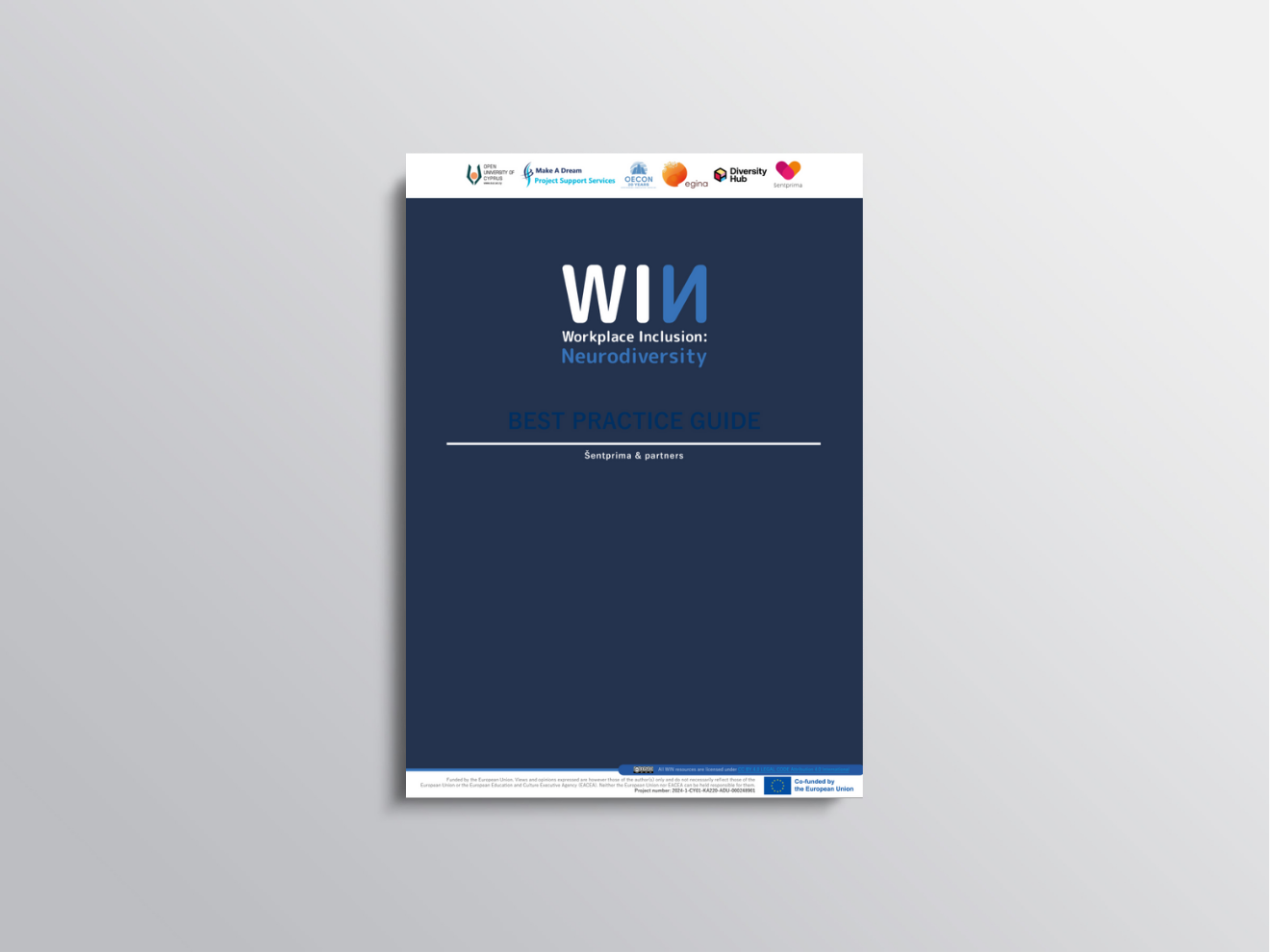
[EN] Workplace Inclusion – Neurodiversity
International report Workplace Inclusion: Neurodiversity. Best Practice Guide shows how looks like the situation of neuroatypical people in education, on the labor market and in society – on the example of six EU countries, including Poland.
The publication is available in Polish.


In our group, just like in a soccer team, we realize that a diversity of competencies is key to success. We work together just as the defenders and strikers of a soccer team work together to win a match. We realize that a team made up of defenders alone would not win a match.
Sebastian Rozenkowski
Project Leader
Volkswagen Poznań

Naprawdę wierzę, że w kobietach drzemie niezbadany, ogromny potencjał - zwłaszcza w tych technicznych rzeczach. Nie dzielimy się na Ligę Damską i Ligę Męską. Mamy tylko jedną Ligę.
Jarosław Michalak
Koordynator Kiosku Szkoleniowego, Koordynator ds. Budowania Kompetencji
Mondelez
If the feedback does not carry causality at the end of the day, we create such a creation, which tool-wise is useless. It will consume time, it will let emotions drop, but it will not carry progress.
Daniel Marciniak
Director of R&D Department
FORVIA
Bez względu na to czy to wydarzenie ERG, czy szkolenie, bądź obecny jako lider. Poświęć dodatkowy czas. W ten sposób okażesz wsparcie pracownikom, którzy wkładają wysiłek w pracę na rzecz D&I.
Timothy O’Brien
Head of BBH Krakow
Brown Brothers Harriman Krakow
Aby móc tworzyć technologie dla wszystkich, musimy zaprosić wszystkich do korzystania z niej i do jej rzeczywistego współtworzenia.
Magdalena Kotlarczyk
Country Director
Google Poland

Musimy skupić się na tych kobietach, które chcą robić karierę, ale czują strach, lub też czują się niewystarczająco silne.
Anna Zaroda-Dąbrowska
CEO
Diversity Hub
Równość płci bardzo często zawiera się w drobnych rzeczach
Katarzyna Gaweł
Head of DEI / Forbes Women co-host
Ringier Axel Springer Polska
04. DEI Talks
Check out our videos and podcasts on DEI topics
Learn about the power of conversation between practitioners, experts and organizational culture ambassadors.
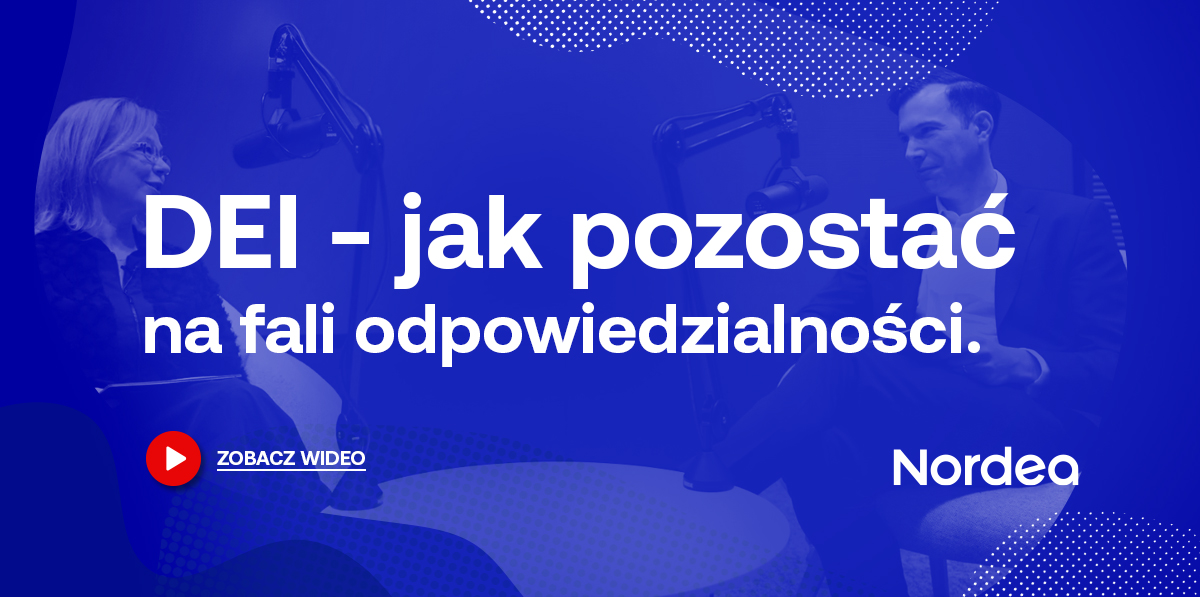
DEI - how to stay on the wave of responsibility
Responsible DEI is a long-term story. We experience many challenges and tests on the timeline, including those related to values, commitments, and competencies and roles.
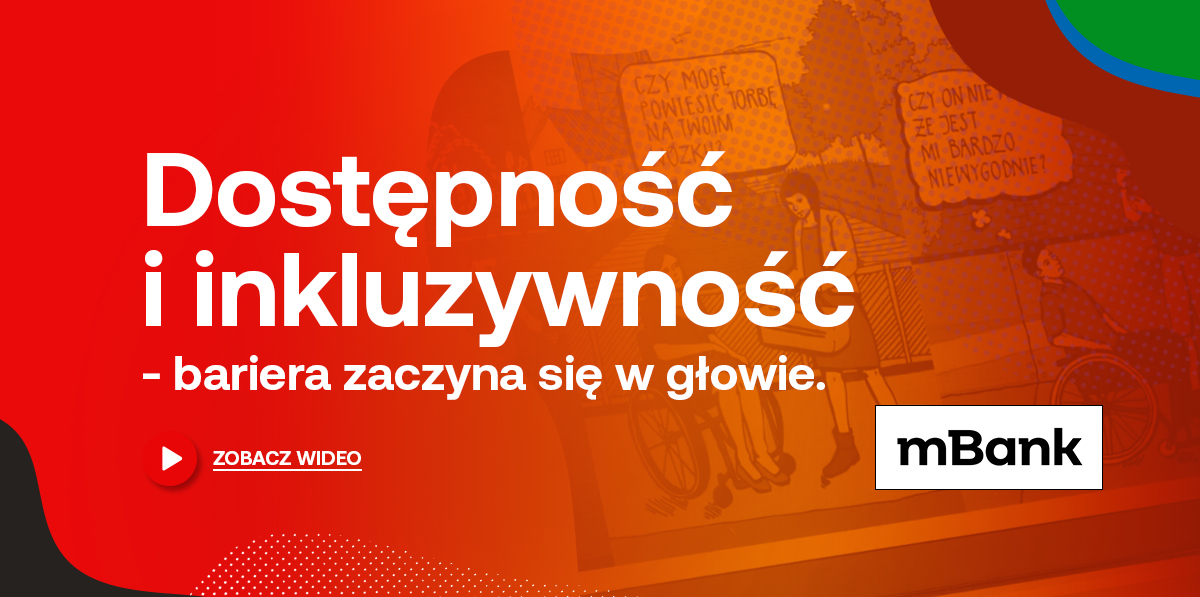
Accessibility and inclusivity - the barrier starts in the head.
Accessibility in the workplace has many dimensions, from processes to daily tools and solutions. For the road to accessibility to make sense, we must first build accessibility in our heads, in our thinking and understanding.
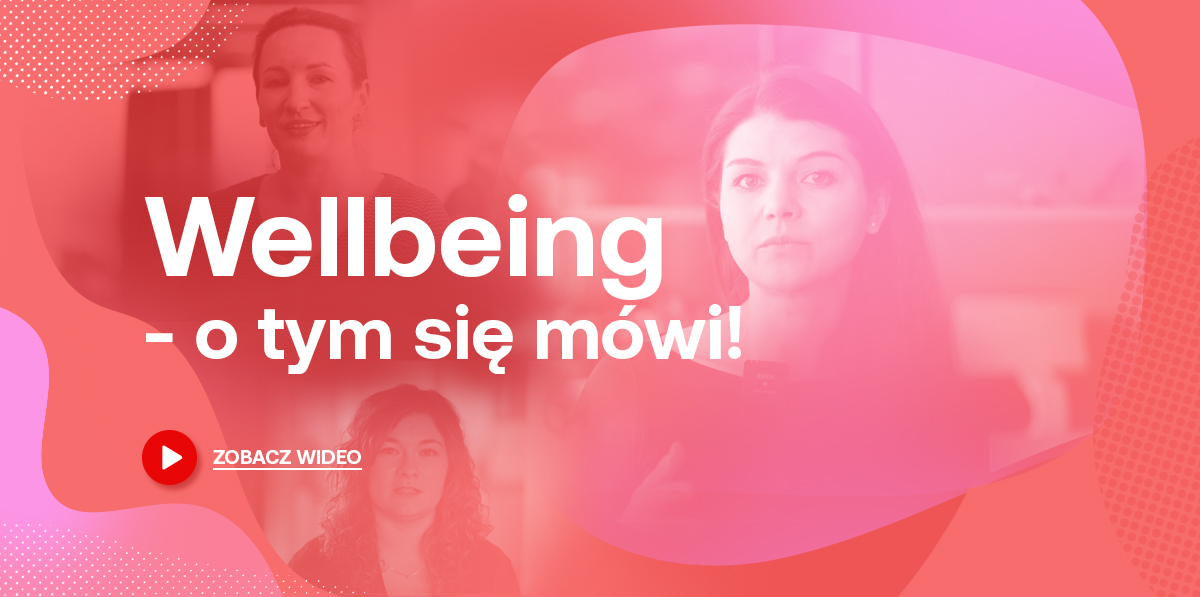
Wellbeing - it's being talked about!
Wellbeing - a value,a competence,a program,a project,an element of organizational culture and much more.How we define and build the wellbeing experience in an organization is changing all the time. Learn some perspectives from organizations that are consciously investing in employee wellbeing.
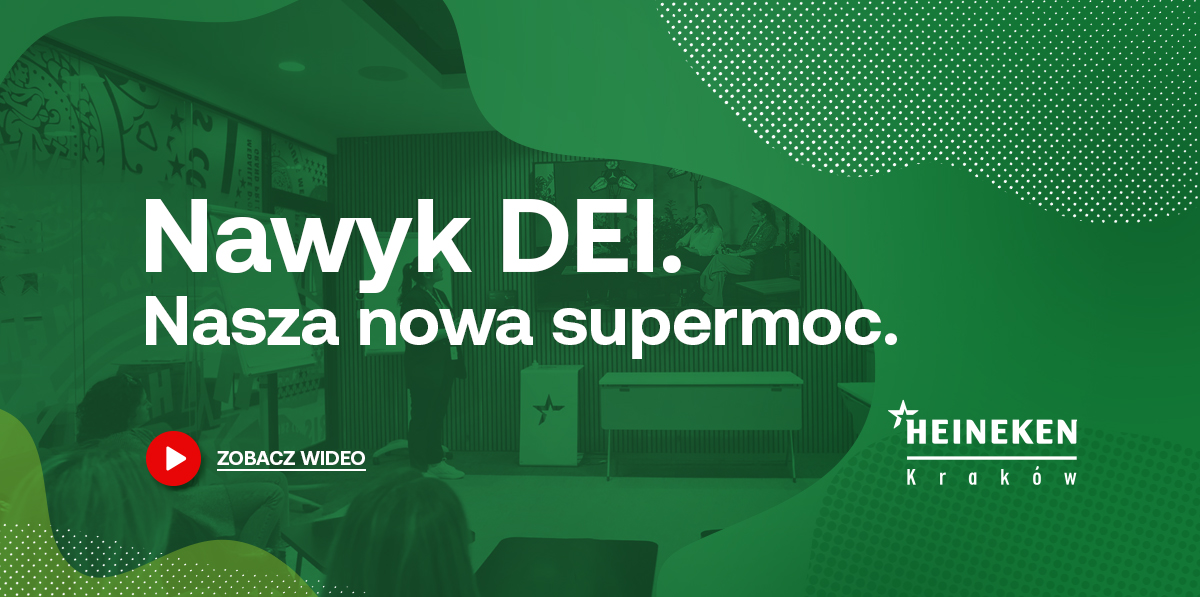
The DEI habit. Our new superpower.
Small steps, big results - a new approach to building a DE&I culture. Why? Because it's our daily micro-behaviors, rituals, personal and team ones, that influence the work environment. This is the superpower that a group of employees discovered in themselves during the lesson 'DEI my habit' conducted.