
What is it about?
Knowledge and Experience Zone
This is a space where theory meets practice, and expert knowledge combines with the everyday experience of organizations building more inclusive workplaces.
Here you will find the know-how of Diversity Hub experts as well as perspectives from practitioners, leaders, and DEI enthusiasts who implement solutions supporting diversity, equity, and inclusion in their teams and organizations on a daily basis.
We share knowledge, inspiration, case studies, and concrete solutions – from strategies and processes to organizational culture and everyday practices. We show how to translate DEI values into real actions and lasting change.
This is a place for those who want to learn from others, explore different perspectives, and develop organizations where people are truly at the center.
01. Articles
Get inspired! Latest articles from Diversity Hub
We like to share what we observe in the DEI space. Check out our recent publications.

Many employers employ or want to employ persons with disabilities, but they are often held back by key questions: "are we ready for this?", "are we doing this right?". A conscious policy of employing persons with various types of disabilities is a holistic process encompassing many spheres of organizational functioning. It is therefore no wonder that employers experience anxiety about making mistakes or overlooking important legal and organizational aspects. Our work model was created to transform this uncertainty into a professionally planned process, giving you and your team a complete sense of security and confidence that you have taken care of everything.

As part of our collaboration with Device Europe – a technology company operating in the European market – we had the opportunity to take a closer look at an organization that consistently builds its position based on quality, innovation, and long-term development thinking. Although the company has approximately 45 employees, the scale of its DEI (Diversity, Equity & Inclusion) strategy resembles that of mature, much larger organizations. What stands out is not only a declarative approach to equality and inclusion but, above all, a solid foundation of policies, procedures, and conscious management decisions that genuinely translate into organizational culture.

Often in our work, we encounter resistance due to the belief that DEI activities only benefit selected groups. In the case of HR processes - such as recruitment, promotion, or feedback processes - striving to make them fair, inclusive, or transparent is sometimes perceived as an activity that is meant to give an advantage to certain people (e.g., women). So how do we design activities that are fair and effective, while not creating solutions that may be perceived as favoring selected people? How do you mitigate the risk of potential inequalities in your organization? Our answer is
Universal Design (UD).
What is sometimes the best step before we start changing our systems and processes in an organization? Stopping and carefully analyzing what is already working well and what can be improved.

We talk about the behind-the-scenes development of a film on neurodiversity in Orange. I am glad that Sylwia Sikorska-Ney shared the story of the project, which shows that openness to different ways of thinking can be a strength of an organization. This film is not just an image - it is a manifesto of authenticity and empathy in the workplace. Its originator and co-creator talks about where the idea came from, what the preparations looked like and what this project has changed in the company.

Large organizations face the challenge of effectively training multiple teams working at different locations and rhythms. It is difficult to find a date that is convenient for everyone, and different departments have their own specific work cycles and moments of increased workload.

December is a month of extraordinary symbolic significance. For millions of people around the world, regardless of their faith, it is the "season of lights," a time of reflection, community, and giving. Although in many cultures Christmas naturally takes center stage, the December and January calendar is densely filled with rituals and traditions based on various grounds - religious, cultural, and secular. In the context of multicultural teams, the way holidays are celebrated ceases to be a matter of decoration and becomes a test of the company's inclusion policy.

mBank decided to completely change the concept of its employee networks - or rather, groups of diversity ambassadors and ambassadors, as this is how these initiatives are referred to at mBank. And while in many organizations they operate on the basis of fixed, thematic groups - for example, dedicated to the LGBT+ community, women or different generations - here they decided on a completely different, innovative approach. What you will read in a moment is a very good example of agile thinking in practice: flexibility, openness to change and courage in adapting activities to the real needs of the working people. This is a story about listening, observing, learning lessons and not repeating patterns just because "that's the way it's always been done."

As a VET professional, you know full well that your work takes place at the intersection of different realities and contexts. On one hand, you meet students – each bringing their own life story, attitudes, and learning experiences – and on the other, the specific demands of employers and the dynamic world of the industry. Reconciling these perspectives and acting as a bridge between them is a crucial, yet demanding, task.

I would advise a person who has freshly assumed a leadership role to nevertheless find time to show active interest in what is around us. And to ask questions.

Rafal Blazejewski
Country Head of People Services & Co-Chair of D&I Council Poland
Nordea

Approaching DEI from the level of habits and behavior change offers a lot of opportunities. It allows you to change direction from occasional initiatives to permanent, daily actions.

Aakanksha Mehra
Project Manager and DEI Ambassador
Heineken Global Shared Services, Krakow

In our group, just like in a soccer team, we realize that a diversity of competencies is key to success. We work together just as the defenders and strikers of a soccer team work together to win a match. We realize that a team made up of defenders alone would not win a match.
Sebastian Rozenkowski
Project Leader
Volkswagen Poznań

Naprawdę wierzę, że w kobietach drzemie niezbadany, ogromny potencjał - zwłaszcza w tych technicznych rzeczach. Nie dzielimy się na Ligę Damską i Ligę Męską. Mamy tylko jedną Ligę.
Jarosław Michalak
Koordynator Kiosku Szkoleniowego, Koordynator ds. Budowania Kompetencji
Mondelez
Musimy zrozumieć w jaki sposób kontynuować DEI, by nie stracić wyczucia kierunku i nie stracić z pola widzenia celu, który nam przyświeca.
Rafał Błażejewski
Country Head of People Services & Co-Chair of D&I Council Poland
Nordea
If the feedback does not carry causality at the end of the day, we create such a creation, which tool-wise is useless. It will consume time, it will let emotions drop, but it will not carry progress.
Daniel Marciniak
Director of R&D Department
FORVIA

At Fraklin Templeton, we believe that data is the foundation of our D&I strategy.
Caroline Carroll
Head of Client Experience EMEA
Franklin Templeton
D&I efforts are not a one-time endeavor. It's an ongoing practice that we must continually develop and adapt to current conditions.
Catherine Kwiatek
Global HR Business Partner
Brown Brothers Harriman Krakow
Bez względu na to czy to wydarzenie ERG, czy szkolenie, bądź obecny jako lider. Poświęć dodatkowy czas. W ten sposób okażesz wsparcie pracownikom, którzy wkładają wysiłek w pracę na rzecz D&I.
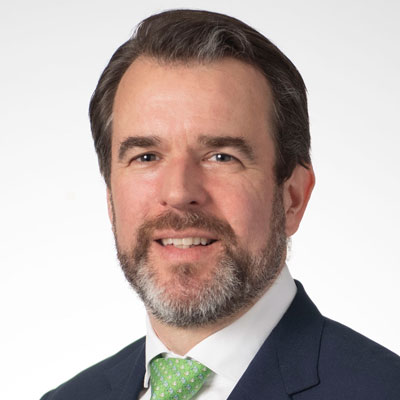
Timothy O’Brien
Head of BBH Krakow
Brown Brothers Harriman Krakow
Tak wiele osób obawia się, że powiedzą lub zrobią coś niewłaściwego, jeśli chodzi o niepełnosprawność, że w rezultacie nic nie robią lub nic nie mówią. (...) O wiele lepiej jest próbować, słuchać i uczyć się to robić dobrze.
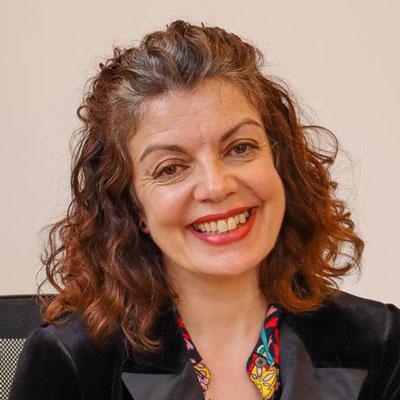
Diane Lightfoot
CEO
Business Disability Forum

Aby móc tworzyć technologie dla wszystkich, musimy zaprosić wszystkich do korzystania z niej i do jej rzeczywistego współtworzenia.
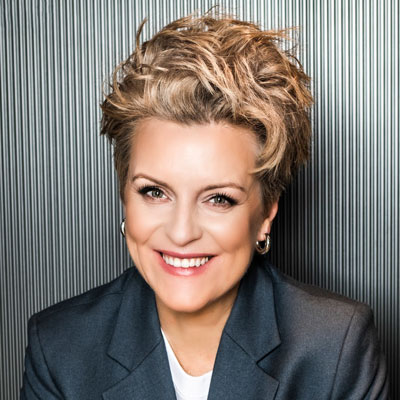
Magdalena Kotlarczyk
Country Director
Google Poland

Musimy skupić się na tych kobietach, które chcą robić karierę, ale czują strach, lub też czują się niewystarczająco silne.
Anna Zaroda-Dąbrowska
CEO
Diversity Hub

Równość płci bardzo często zawiera się w drobnych rzeczach

Katarzyna Gaweł
Head of DEI / Forbes Women co-host
Ringier Axel Springer Polska
Nie możesz zmienić tego, czego nie mierzysz.
Katarzyna Gaweł
Head of DEI / Forbes Women co-host
Ringier Axel Springer Polska
Kiedy jesteśmy bardzo silnie narażeni na pewien specyficzny stereotyp, a płeć jest oczywiście ogromnym polem do stereotypizacji, wtedy w pewien sposób zaczynamy widzieć siebie [przez pryzmat tego stereotypu] i zachowywać się, po prostu podążając za tym stereotypem.
Anna Zaroda-Dąbrowska
CEO
Diversity Hub

Z mojej perspektywy główną rolą, a jednocześnie trudnością osób zarządzających różnorodnością, jest zrozumienie potrzeb pracowników oraz zbalansowanie ich z priorytetami i potrzebami organizacji.

Karolina Stala
HR Business Partner & TA Leader Poland, D&I Champion
International Paper Polska sp. z o.o.
Trust in the leader and a sense of security is a wellbeing ROI always on the upside.
Barbara Wawrzynek
Head of External Communication, DEI Expert
Diversity Hub
03. Latest Publication
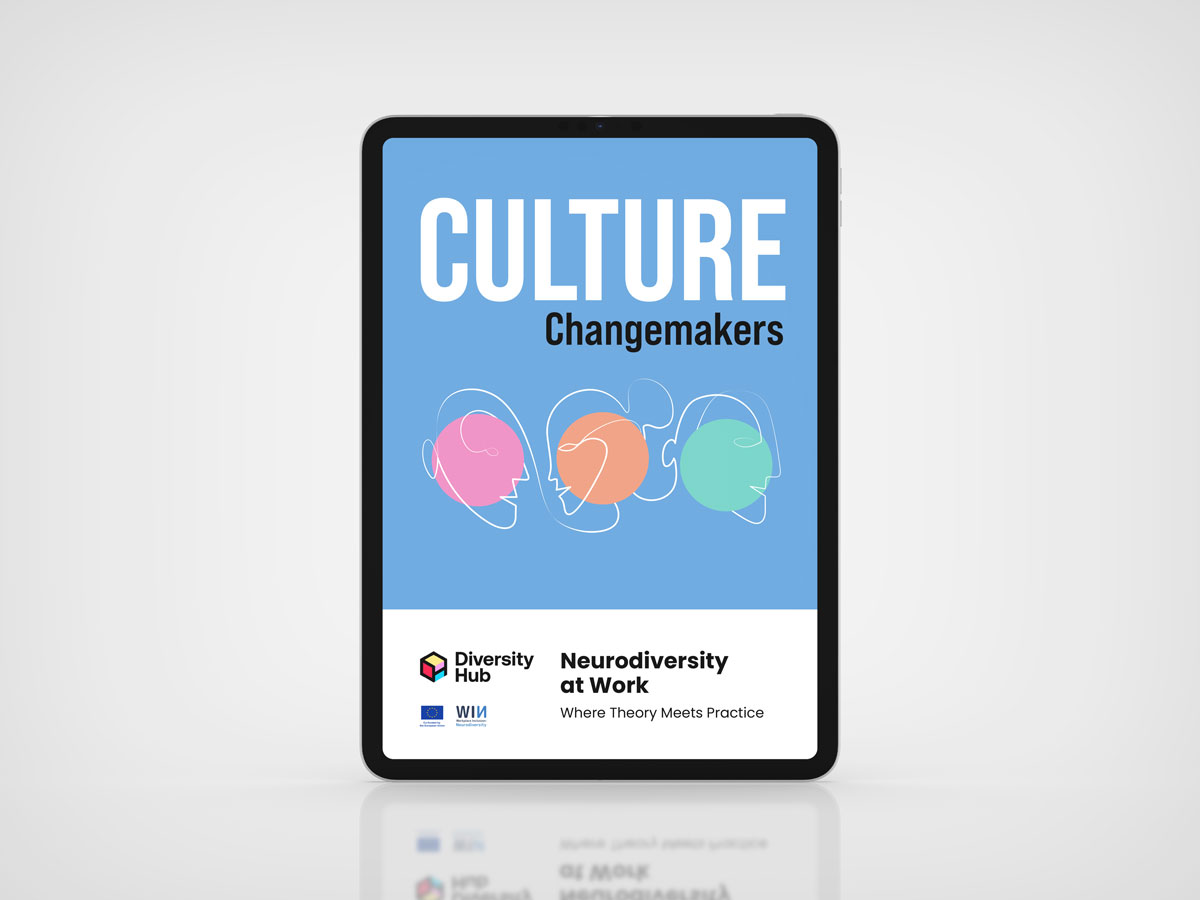
Culture Changemakers – “Neurodiversity in the Workplace”
“Neurodiversity in the Workplace” is a publication about how to design organizations that consider diverse needs, work styles, and ways of processing information from the outset—rather than reacting only when a problem arises.
You will find here the expertise of Diversity Hub specialists, voices of neuroatypical individuals, and experiences of organizations that are building more neuroinclusive work environments. From communication and leadership, through processes and team collaboration, to designing spaces and everyday employee experiences.
This is a practical guide demonstrating that transparency, predictability, and inclusive design are not “accommodations for a select few,” but the foundation of better collaboration, greater efficiency, and a more equitable work environment for everyone.
All Publications
Download our publications, reports and studies
We rely on data. We take important topics under a magnifying glass, connect the dots.
“Neurodiversity at Work” is a publication about how to design organizations that consider different needs, work styles, and ways of processing information from the outset—instead of reacting only when a problem arises.
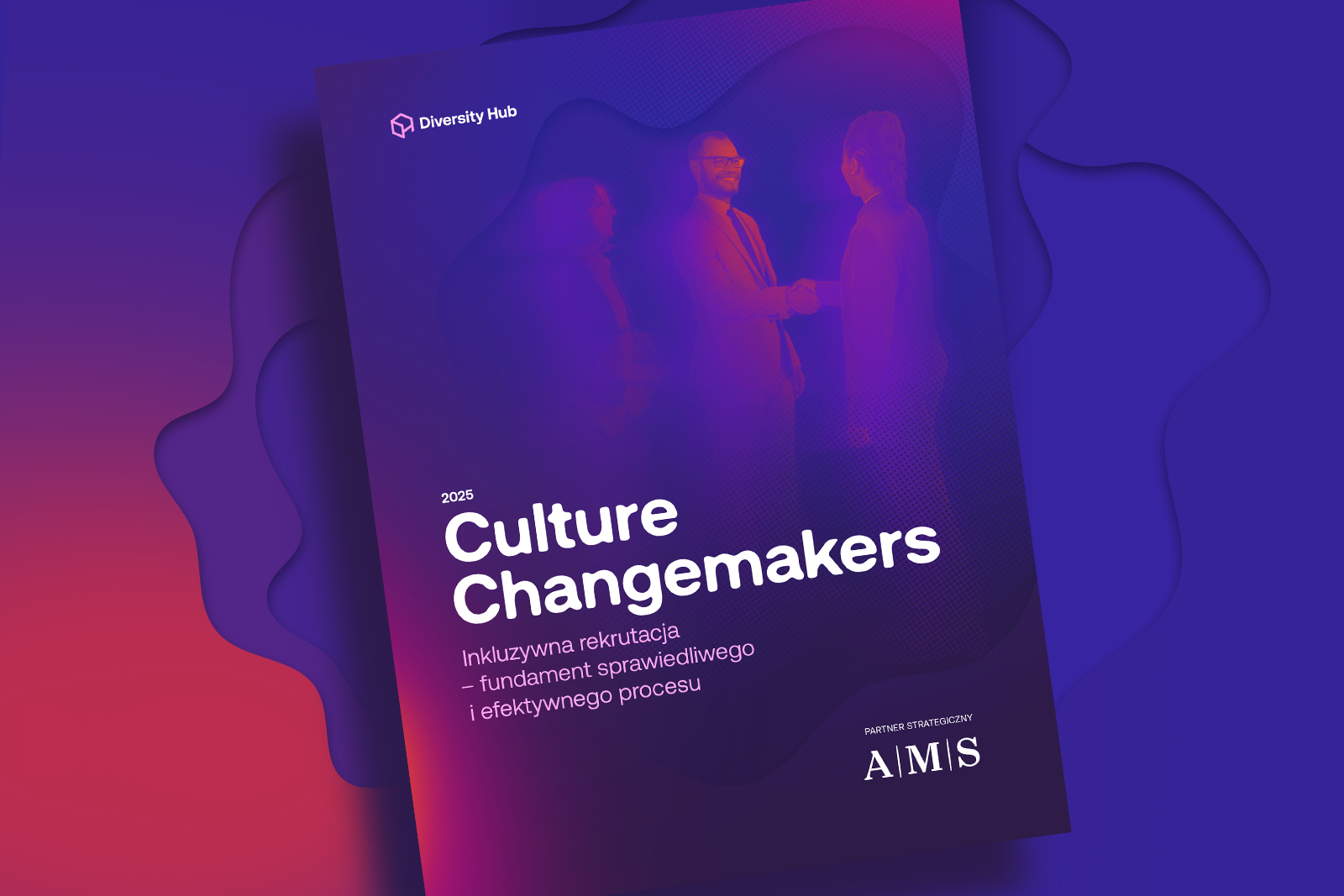
“Culture Changemakers” is a publication that shows how organizations can incorporate inclusivity into their recruitment processes – effectively, ethically and without unnecessary complications. You’ll find concrete examples of companies not just talking about change, but implementing it – from the definition of the candidate profile to the hiring decision.
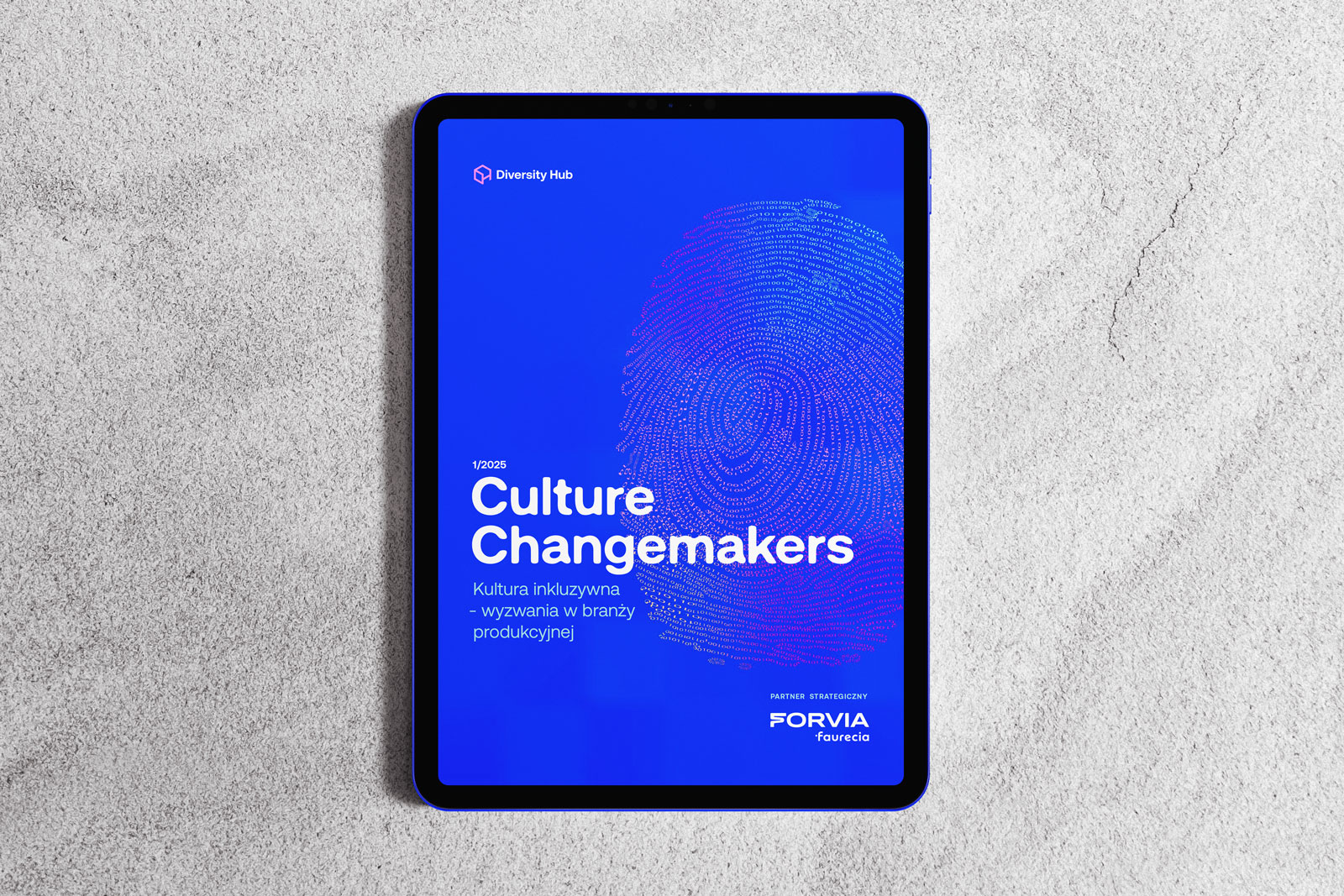
We invited leading brands and prominent voices from the manufacturing industry to contribute to this publication – a sector that stands out due to the unique nature of its work environment and the specific challenges it entails. Inside, best practices, inspiration and proven solutions.

Learn practical tips on how to design spaces and work processes in a way that is welcoming to everyone, regardless of neurological profile. The publication shows what barriers can impede the work of neuroatypical people and presents effective solutions and best practices to eliminate them.
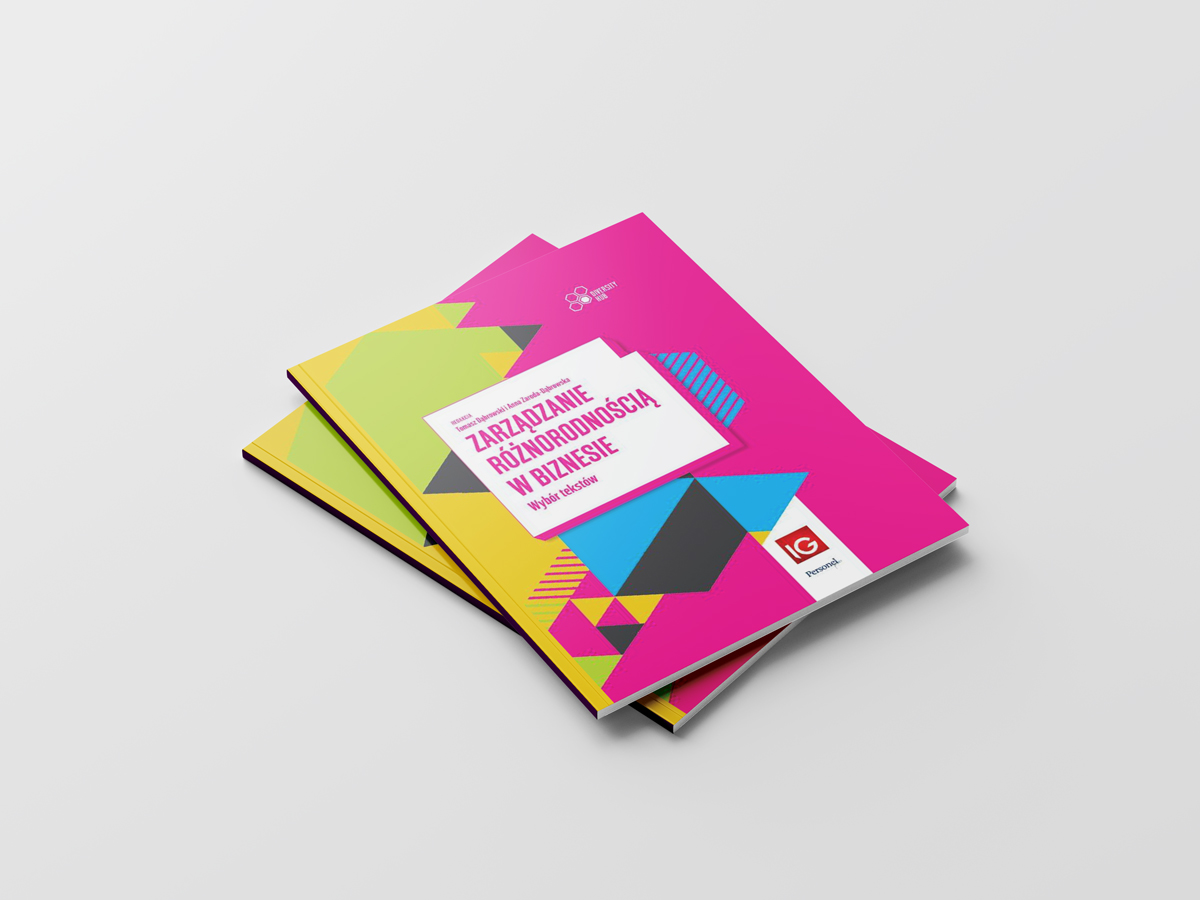
The book is a collection of articles that were published by Diversity Hub in Personnel Plus magazine. It is not a textbook, but in its concept it is a resource to inspire and show concrete solutions based on business experience.
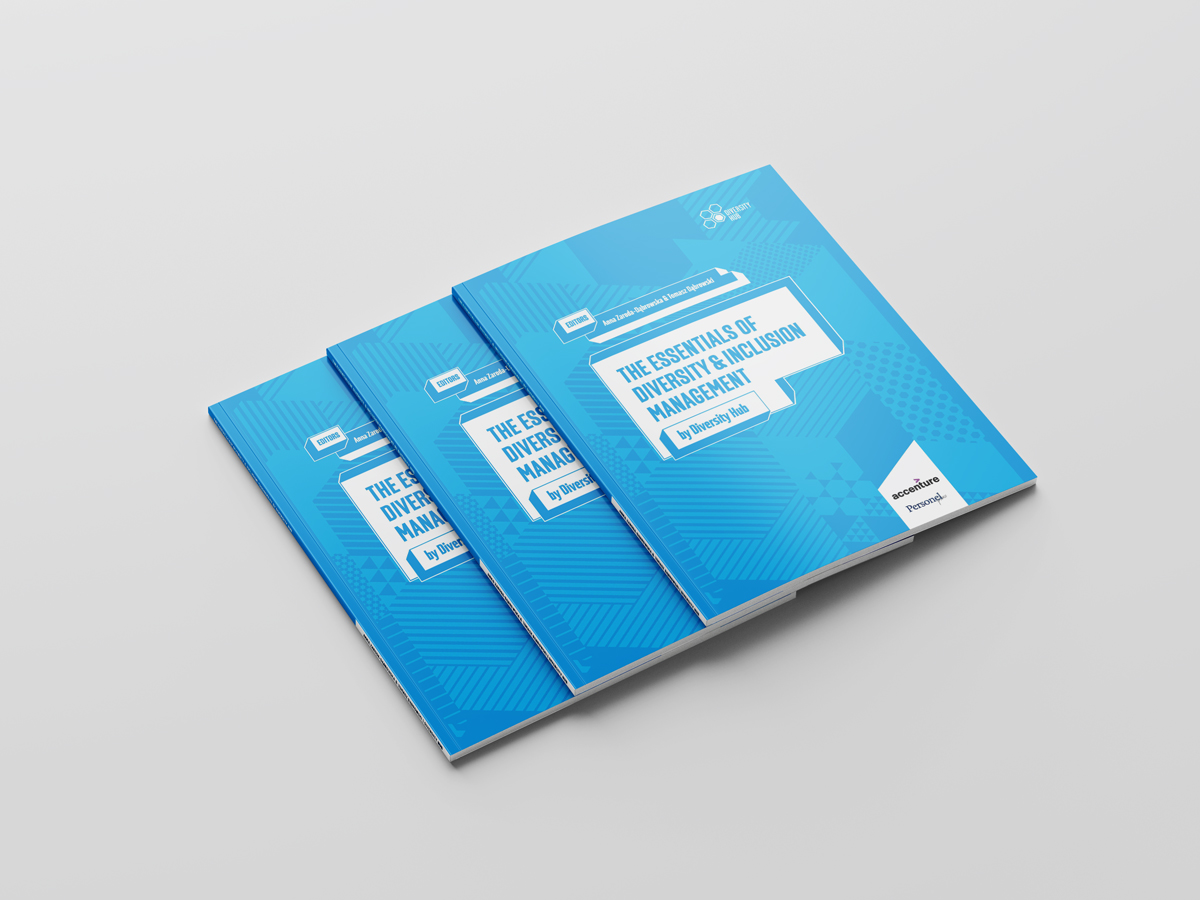
[EN] The Essentials of Diversity & Inclusion Manag…
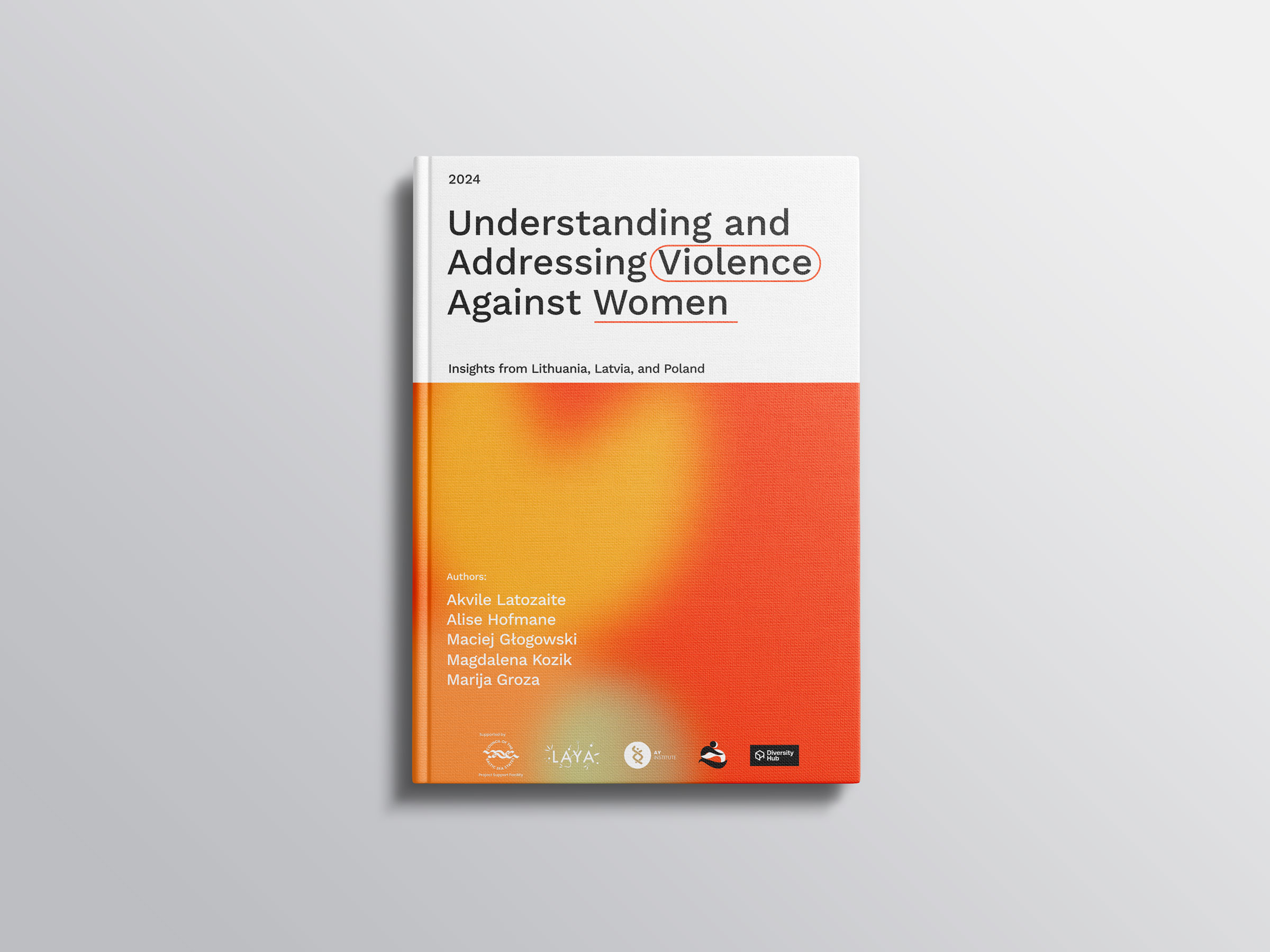
The book is a collection of articles published by Diversity Hub experts. It is not a guide – instead, we wanted it to be something that would inspire you and show you concrete solutions based on real experiences in the business world. The publication is available in English.

[EN] Workplace Inclusion – Neurodiversity
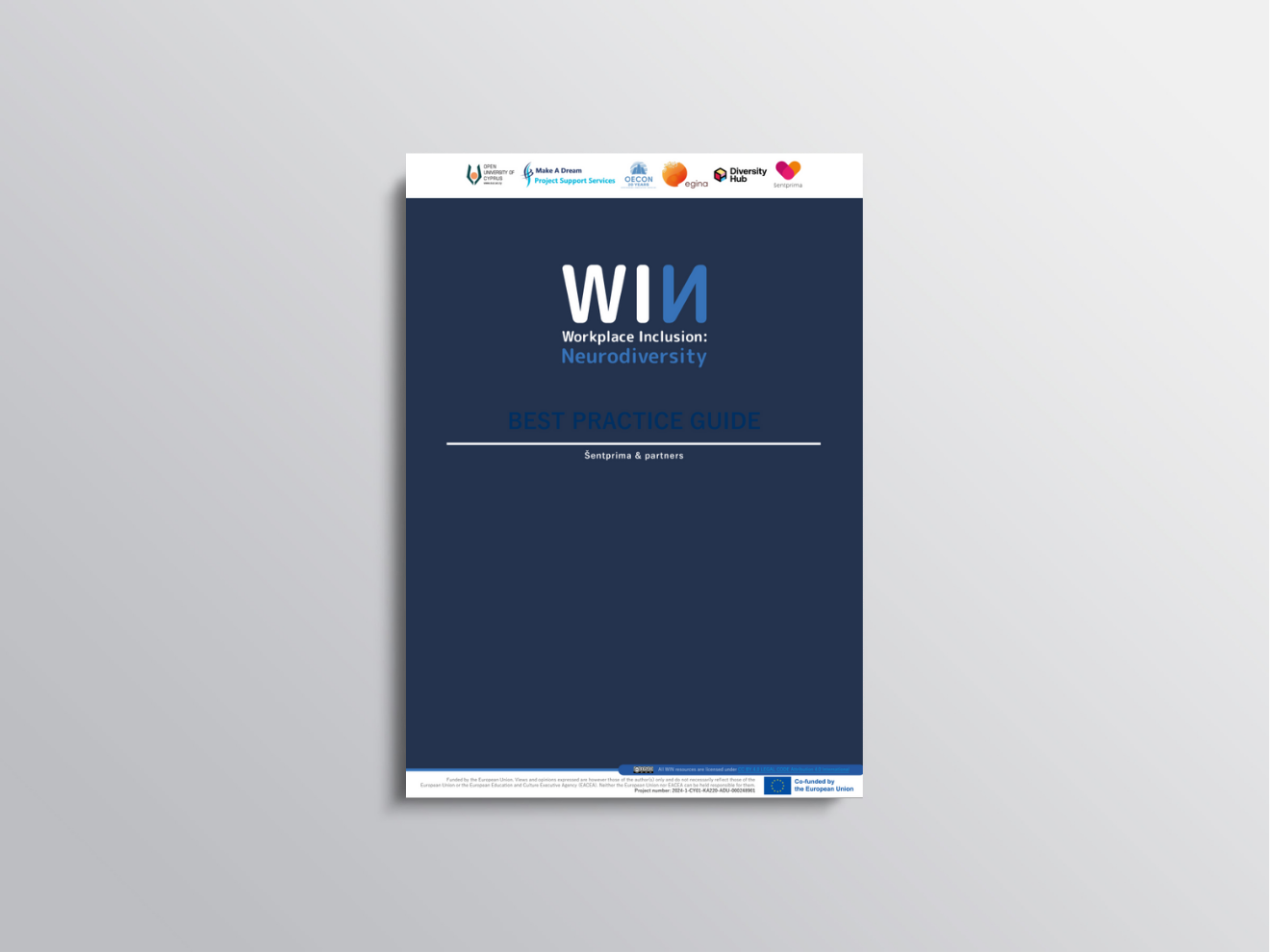
International report Workplace Inclusion: Neurodiversity. Best Practice Guide shows how looks like the situation of neuroatypical people in education, on the labor market and in society – on the example of six EU countries, including Poland.
The publication is available in Polish.

Inclusive recruitment is not a one-time action – it is a continuous process that requires reflection, courage, and consistency.
Joanna Simankowicz
Manager – Talent Development.
AMS
I would advise a person who has freshly assumed a leadership role to nevertheless find time to show active interest in what is around us. And to ask questions.
Rafal Blazejewski
Country Head of People Services & Co-Chair of D&I Council Poland
Nordea
Approaching DEI from the level of habits and behavior change offers a lot of opportunities. It allows you to change direction from occasional initiatives to permanent, daily actions.
Aakanksha Mehra
Project Manager and DEI Ambassador
Heineken Global Shared Services, Krakow
In our group, just like in a soccer team, we realize that a diversity of competencies is key to success. We work together just as the defenders and strikers of a soccer team work together to win a match. We realize that a team made up of defenders alone would not win a match.
Sebastian Rozenkowski
Project Leader
Volkswagen Poznań
Naprawdę wierzę, że w kobietach drzemie niezbadany, ogromny potencjał - zwłaszcza w tych technicznych rzeczach. Nie dzielimy się na Ligę Damską i Ligę Męską. Mamy tylko jedną Ligę.
Jarosław Michalak
Koordynator Kiosku Szkoleniowego, Koordynator ds. Budowania Kompetencji
Mondelez
Musimy zrozumieć w jaki sposób kontynuować DEI, by nie stracić wyczucia kierunku i nie stracić z pola widzenia celu, który nam przyświeca.
Rafał Błażejewski
Country Head of People Services & Co-Chair of D&I Council Poland
Nordea
If the feedback does not carry causality at the end of the day, we create such a creation, which tool-wise is useless. It will consume time, it will let emotions drop, but it will not carry progress.
Daniel Marciniak
Director of R&D Department
FORVIA
At Fraklin Templeton, we believe that data is the foundation of our D&I strategy.
Caroline Carroll
Head of Client Experience EMEA
Franklin Templeton
D&I efforts are not a one-time endeavor. It's an ongoing practice that we must continually develop and adapt to current conditions.
Catherine Kwiatek
Global HR Business Partner
Brown Brothers Harriman Krakow
Bez względu na to czy to wydarzenie ERG, czy szkolenie, bądź obecny jako lider. Poświęć dodatkowy czas. W ten sposób okażesz wsparcie pracownikom, którzy wkładają wysiłek w pracę na rzecz D&I.
Timothy O’Brien
Head of BBH Krakow
Brown Brothers Harriman Krakow
Tak wiele osób obawia się, że powiedzą lub zrobią coś niewłaściwego, jeśli chodzi o niepełnosprawność, że w rezultacie nic nie robią lub nic nie mówią. (...) O wiele lepiej jest próbować, słuchać i uczyć się to robić dobrze.
Diane Lightfoot
CEO
Business Disability Forum
Aby móc tworzyć technologie dla wszystkich, musimy zaprosić wszystkich do korzystania z niej i do jej rzeczywistego współtworzenia.
Magdalena Kotlarczyk
Country Director
Google Poland
Musimy skupić się na tych kobietach, które chcą robić karierę, ale czują strach, lub też czują się niewystarczająco silne.
Anna Zaroda-Dąbrowska
CEO
Diversity Hub
Równość płci bardzo często zawiera się w drobnych rzeczach
Katarzyna Gaweł
Head of DEI / Forbes Women co-host
Ringier Axel Springer Polska
Nie możesz zmienić tego, czego nie mierzysz.
Katarzyna Gaweł
Head of DEI / Forbes Women co-host
Ringier Axel Springer Polska
Kiedy jesteśmy bardzo silnie narażeni na pewien specyficzny stereotyp, a płeć jest oczywiście ogromnym polem do stereotypizacji, wtedy w pewien sposób zaczynamy widzieć siebie [przez pryzmat tego stereotypu] i zachowywać się, po prostu podążając za tym stereotypem.
Anna Zaroda-Dąbrowska
CEO
Diversity Hub
Z mojej perspektywy główną rolą, a jednocześnie trudnością osób zarządzających różnorodnością, jest zrozumienie potrzeb pracowników oraz zbalansowanie ich z priorytetami i potrzebami organizacji.
Karolina Stala
HR Business Partner & TA Leader Poland, D&I Champion
International Paper Polska sp. z o.o.
Trust in the leader and a sense of security is a wellbeing ROI always on the upside.
Barbara Wawrzynek
Head of External Communication, DEI Expert
Diversity Hub
04. DEI Talks
Check out our videos and podcasts on DEI topics
Learn about the power of conversation between practitioners, experts and organizational culture ambassadors.