Accessible Hospitality: Why DEI is Transforming the Hotel Industry from Within

Modern hospitality redefines hospitality – today it's no longer just about standards, but about mindfulness and an authentic guest experience. DEI, or diversity, equity, and inclusion, ceases to be an industry acronym and becomes a daily practice: from communication methods to service design. It is thanks to DEI that a hotel can become a place where everyone feels 'at home' – regardless of their needs or identity. Inclusive hospitality not only builds guest loyalty but also strengthens teams, reducing turnover and restoring meaning to relationship-based work.

Talent as the common language of an organization. How Egis Polska is building a culture of inclusion based on the Gallup method

In the demanding pharmaceutical industry, is there one ideal employee model? The experience of Egis Polska shows that success lies in a completely different place – in the conscious utilization of each person's unique talents within the team. Moving away from rigid patterns towards the Gallup methodology, the organization transformed its approach to diversity, turning potential conflicts into effective collaboration. In the interview below, Monika Świerszcz (HR Department Manager), Izabela Brzezińska (External Communication Specialist), and Maja Latosińska (HR Projects Manager) at Egis Polska discuss how working with talent maps supports equal opportunities, helps overcome skepticism, and builds authentic engagement that allows the company to respond agilely to market turbulence.

How to Build a Company Together, Fairly, and Transparently? The Device Europe Example

As part of our collaboration with Device Europe – a technology company operating in the European market – we had the opportunity to take a closer look at an organization that consistently builds its position based on quality, innovation, and long-term development thinking. Although the company has approximately 45 employees, the scale of its DEI (Diversity, Equity & Inclusion) strategy resembles that of mature, much larger organizations. What stands out is not only a declarative approach to equality and inclusion but, above all, a solid foundation of policies, procedures, and conscious management decisions that genuinely translate into organizational culture.

How to Organize Company Holidays That Unite, Not Divide?

December is a month of extraordinary symbolic significance. For millions of people around the world, regardless of their faith, it is the "season of lights," a time of reflection, community, and giving. Although in many cultures Christmas naturally takes center stage, the December and January calendar is densely filled with rituals and traditions based on various grounds - religious, cultural, and secular. In the context of multicultural teams, the way holidays are celebrated ceases to be a matter of decoration and becomes a test of the company's inclusion policy.

By |2025-12-05T10:08:20+01:004 December 2025|Inclusive Management, Multiculturalism.|0 Comments

You Don’t Have to Agree – Just Be Willing to Listen.
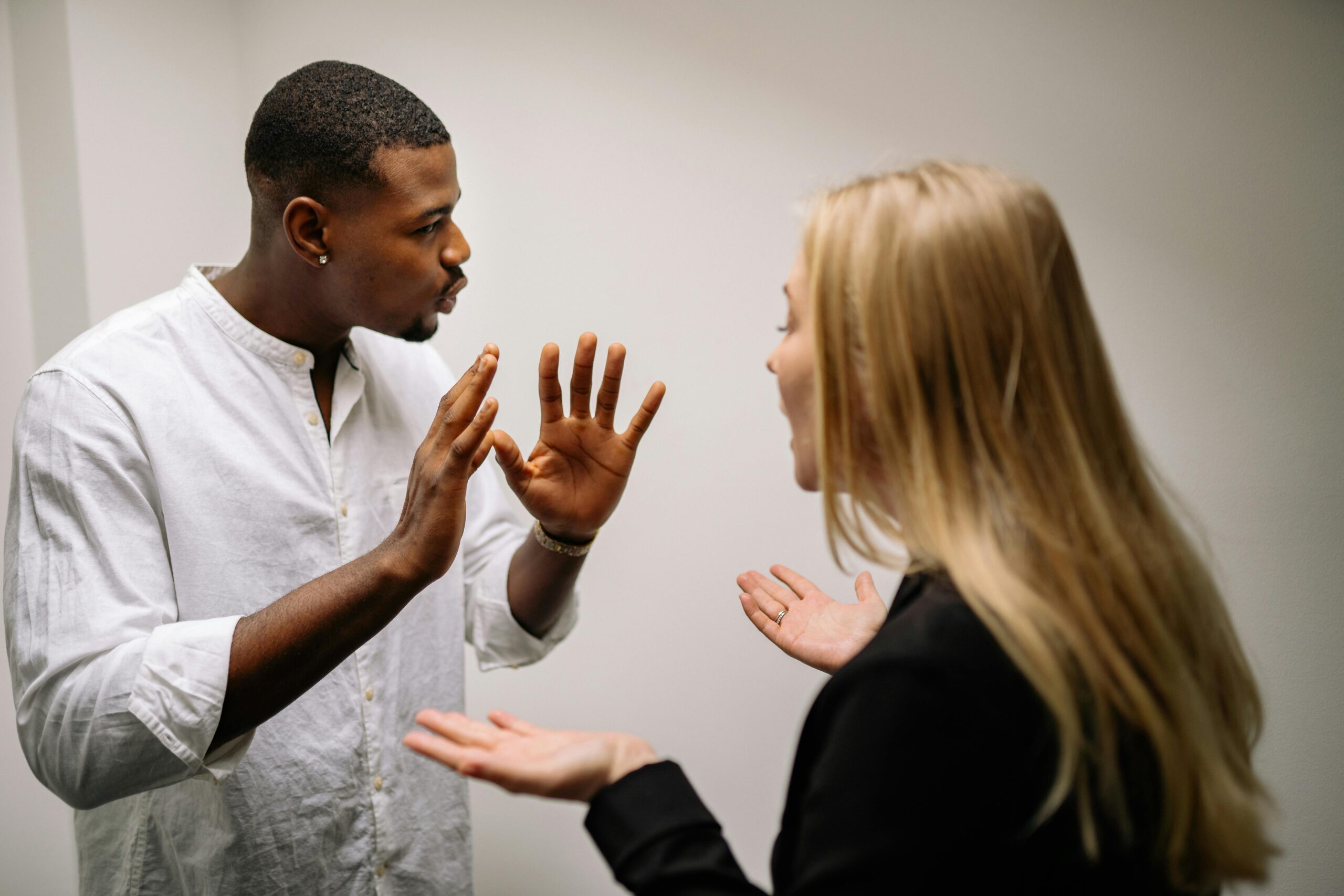
How to Talk About Diversity with the Unconvinced

In circles of people engaged in diversity, equity, and inclusion (DEI) initiatives, conversations about inclusivity are everyday matters. But what do you do when you encounter someone outside this “bubble”? Someone who doesn’t see the point of DEI initiatives, who treats them as a trend, ideology, or excessive political correctness?

By |2025-09-29T15:43:46+02:0017 September 2025|Inclusive Leadership, Inclusive Management, Wellbeing|0 Comments

Diversity and Inclusive Culture as an Integral Element of Sustainable Development Strategy. The Role of HR in Achieving ESG Goals.

Sustainable development today is more than just a trendy slogan. It is a long-term approach to managing an organization that considers not only economic benefits but also social and environmental responsibility. The United Nations defines sustainable development as development that meets the needs of the present generation without compromising the ability of future generations to meet their own needs. Achieving this is therefore a matter of intergenerational solidarity, responsibility, and conscious leadership.

By |2025-09-29T19:12:39+02:0017 September 2025|age, Inclusive Culture, Inclusive Management, Wellbeing|0 Comments
Go to Top